UK Gambling Commission Unveils Q2 2025 Stats: Remote Casinos Strike £1.4 Billion GGY, Powering 69.9% of Key Remote Sectors
UK Gambling Commission Unveils Q2 2025 Stats: Remote Casinos Strike £1.4 Billion GGY, Powering 69.9% of Key Remote Sectors

The Latest from the UK Gambling Commission
Observers tracking the UK gambling landscape always keep a close eye on quarterly updates from the UK Gambling Commission, and the just-released Q2 data for the financial year April 2025 to March 2026 delivers some standout numbers; specifically, for the period spanning July to September 2025, remote casino gross gambling yield (GGY) clocked in at £1.4 billion, a figure that captures 69.9% of the combined remote casino, bingo, and betting GGY.
That's the kind of stat that turns heads, especially when land-based sectors—including arcades, betting shops, bingo halls, and casinos—posted a total GGY of £1.2 billion over the same stretch, underscoring a clear divide between digital and physical operations in the UK's tightly regulated market.
But here's the thing: these numbers don't just sit in isolation; they paint a picture of where the industry stands midway through the financial year, with eyes already turning toward the March 2026 wrap-up, where full-year totals will reveal longer-term trends.
Breaking Down Remote Casino Dominance
Data shows remote casinos leading the charge, as that £1.4 billion GGY represents nearly 70% of the broader remote category's output—meaning casino play alone drove the lion's share compared to bingo and betting in the online space; experts note how this reflects player preferences shifting toward slots, table games, and live dealer experiences accessible anytime via apps and sites.
Take one analyst who crunched the implied totals: with remote casino grabbing 69.9%, the full remote casino, bingo, and betting pot comes out around £2 billion, highlighting how casinos aren't just participating—they're propelling growth; and while exact breakdowns for bingo or betting aren't spotlighted here, the casino slice alone signals robust engagement from UK players during those summer months.
What's interesting is the steady climb in remote figures, a pattern those who've studied past quarters recognize, although this report zeros in on Q2 specifics without direct year-over-year comparisons; still, the £1.4 billion mark stands as a benchmark, especially as operators navigate affordability checks and other compliance hurdles rolling out across the sector.
Land-Based Sectors Hold Ground at £1.2 Billion
Shifting focus to bricks-and-mortar, land-based GGY across arcades, betting, bingo, and casinos totaled £1.2 billion for July through September 2025, a collective figure that bundles diverse venues from high-street bookies to seaside arcades and glittering casino floors; researchers point out how this encompasses everything from fixed-odds machines in pubs to roulette wheels in licensed halls, yet the aggregate holds firm despite footfall challenges post-pandemic.
And while remote casinos soared to £1.4 billion, land-based operators managed this £1.2 billion through a mix of loyal locals and tourists, with casinos specifically contributing amid broader sector pressures like rising costs and regulatory scrutiny; it's noteworthy that this total reflects resilience, as arcades and betting shops often anchor community gaming while bingo halls draw social crowds.
People who've tracked these reports over time observe how land-based GGY tends to fluctuate seasonally—summer might boost arcades near beaches, for instance—but the Q2 haul of £1.2 billion keeps pace with remote totals in raw pounds, even if percentages tilt digital.
GGY Explained: What These Figures Really Mean
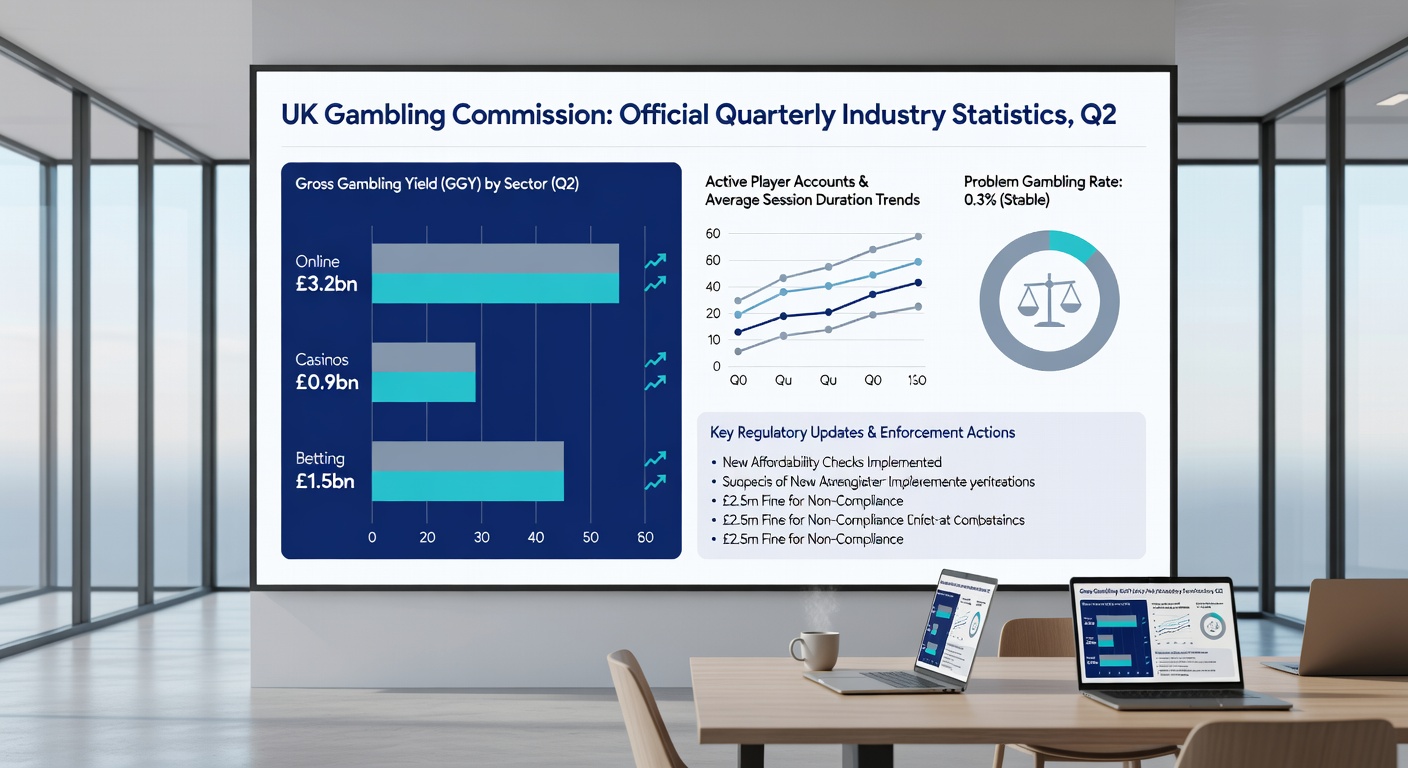
Gross gambling yield, or GGY, boils down to the net win for operators—total stakes minus winnings paid out—and the Commission's official statistics for Q2 2025 lay it out plainly: remote casinos at £1.4 billion mean players wagered heavily on online platforms, fueling that 69.9% dominance over bingo and betting peers; land-based at £1.2 billion, meanwhile, captures in-person action where duty and stakes generate yield across four pillars.
Figures reveal a market maturing under the 2005 Gambling Act's framework, updated by recent levies and protections; for context, one study from prior quarters (though not detailed here) showed similar splits, but Q2's casino-heavy remote surge underscores digital convenience winning out, while land-based relies on experiential draws like live atmospheres.
Turns out, GGY isn't just a number—it's the pulse of economic activity, informing everything from license fees to problem gambling initiatives; and with the financial year marching toward March 2026, these Q2 stats set the stage for projections on whether remote keeps pulling ahead or land-based rebounds.
Sector Spotlights: Casinos in Remote vs. Land-Based
Remote casinos claimed that hefty £1.4 billion slice, accounting for the bulk of online activity and leaving bingo and betting to fill the remaining 30.1%; operators in this space leverage tech for seamless play, from mobile slots to streamed blackjack, which data indicates resonates with a broad demographic.
On the flip side, land-based casinos form part of the £1.2 billion total alongside arcades, betting, and bingo, where physical venues offer tangible thrills—think crowded tables or flashing lights—that digital can't fully replicate; yet the bundled figure shows balance, as betting shops dominate volume while casinos add premium yield.
Here's where it gets interesting: the remote casino percentage—69.9%—hints at consolidation, where fewer platforms capture more action, a trend experts have noted in evolving markets; land-based, spread across thousands of sites, spreads yield thinner but sustains jobs and local economies.
Quarterly Context and Broader Industry Pulse
July to September 2025 marked Q2 in the April 2025-March 2026 cycle, a period blending summer leisure with back-to-work routines that apparently favored online casinos; the £1.4 billion remote GGY versus £1.2 billion land-based underscores a hybrid future, where players mix digital ease with occasional venue visits.
Those monitoring compliance see these stats as a health check—the Commission compiles them rigorously, factoring licensed operators only—and they align with efforts to curb risks while supporting a £14 billion-plus annual industry (based on fuller year data from past reports); now, as Q3 data looms, March 2026's year-end will tally whether this momentum holds.
But the reality is, Q2's numbers spotlight remote casinos as the engine, with land-based proving durable; one case from industry watchers involves how post-Brexit tourism dipped arcade yields temporarily, yet recovery shows in the totals.
Toward March 2026: What Q2 Signals for the Full Year
With half the financial year down, Q2's £1.4 billion remote casino GGY—69.9% of its remote trio—and £1.2 billion land-based total offer a midpoint snapshot; projections from similar past quarters suggest steady remote growth, potentially pushing annual casino yield past historic highs by March 2026.
Land-based sectors, holding at £1.2 billion quarterly, could stabilize or dip under new stake limits on machines, but data so far indicates adaptability; it's not rocket science—operators pivot to experiences that screens can't match, like events in bingo halls or sports screens in betting shops.
Experts who've parsed these reports emphasize how Q2 fits a narrative of digital ascent tempered by physical loyalty, setting up March 2026 as a pivotal closeout.
Conclusion
The UK Gambling Commission's Q2 2025 release crystallizes a thriving yet bifurcated sector: remote casinos at £1.4 billion GGY,