The Expansion of Niche Transaction Services and Connections to User Activity Levels in Electronic Gaming Sites
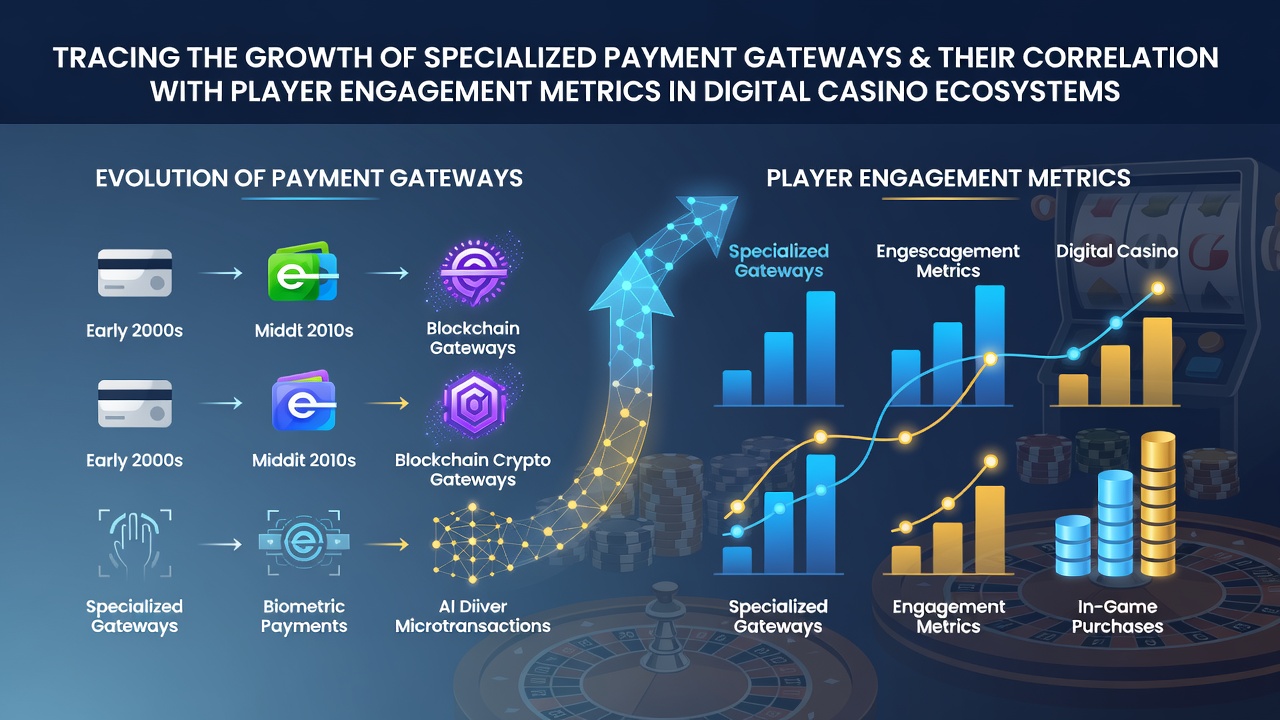
Specialized payment gateways have expanded steadily across digital casino ecosystems since the early 2020s, moving from basic card processing toward instant bank transfers, e-wallets, and region-specific mobile billing options that reduce friction during deposits and withdrawals. Observers note this shift aligns with broader changes in how operators track player behavior through metrics such as session duration, repeat deposit frequency, and average revenue per user. Data from multiple markets shows these gateways often appear alongside measurable lifts in engagement indicators, though direct causation remains under study by industry analysts.
Tracing Early Development Patterns
Traditional payment methods dominated online gaming platforms through the 2010s, yet specialized gateways began gaining traction after regulatory updates in several jurisdictions opened doors for faster, more secure options. Researchers at institutions tracking digital commerce observed that operators in North America and Europe integrated these systems at different rates, with adoption accelerating as mobile traffic surpassed desktop usage around 2023. According to figures released by the Nevada Gaming Control Board, remote gaming revenue channels that supported instant payout features reported consistent quarter-over-quarter increases in active accounts through mid-2025, a pattern that continued into 2026.
What's interesting here is how smaller operators often led the way by partnering with niche providers, while larger platforms followed once data demonstrated retention benefits. And this progression created feedback loops where quicker transaction times correlated with longer play sessions, prompting further investment in gateway technology.
Measuring Engagement Through Key Indicators
Player engagement metrics in digital casino environments typically include time spent per session, deposit-to-play conversion rates, and churn percentages over 30-day windows. Studies compiled by analysts at iGaming Ontario reveal that platforms offering specialized gateways recorded higher deposit frequencies, with some segments showing a 15 to 20 percent rise in repeat activity compared to those limited to standard card processing. These patterns hold across varied player demographics, from casual users to more dedicated participants who value seamless funding during live events.
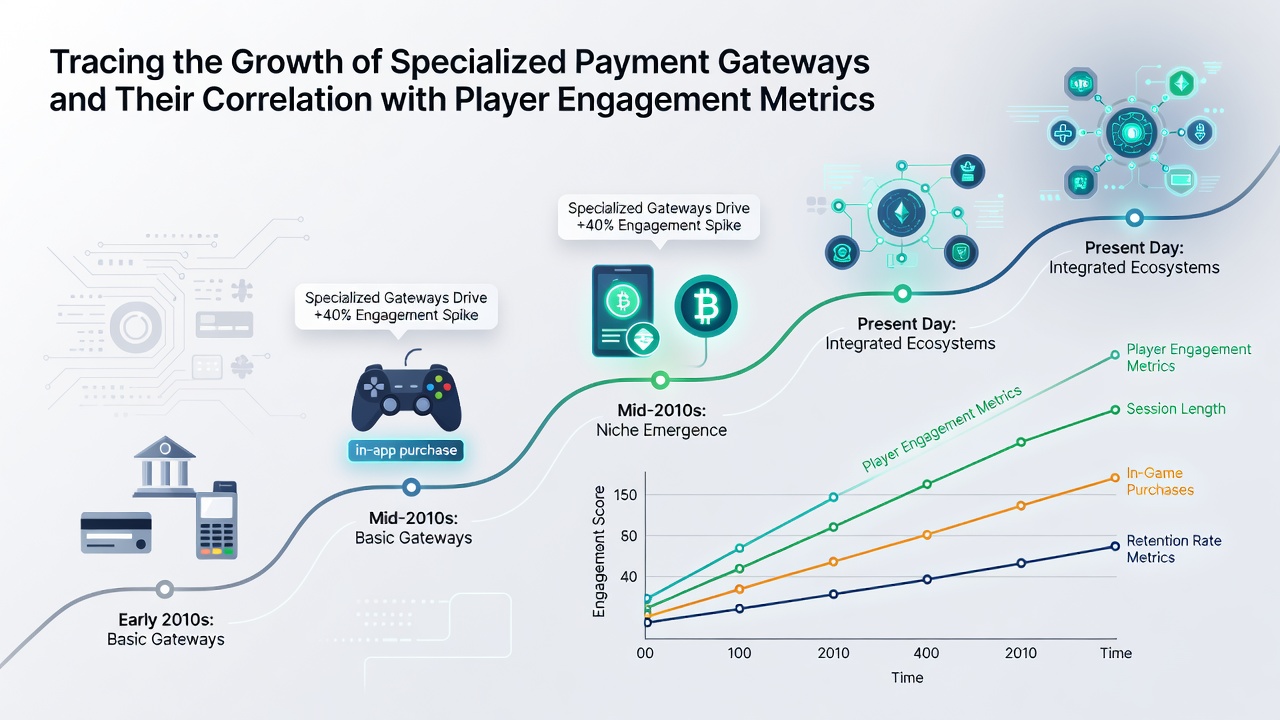
Turns out the timing of these integrations matters as well. Platforms that rolled out enhanced gateways before June 2026 often saw engagement curves steepen during peak summer months, when mobile usage spikes and players expect near-instant responses to balance checks or bonus claims. Data indicates that reduced processing delays translate into fewer abandoned carts at teh deposit stage, which in turn supports sustained activity across multiple game types.
Regional Variations and Technology Adoption
Adoption rates differ notably by region because regulatory frameworks shape which gateways operators can deploy. In Canadian provinces with established iGaming frameworks, for example, secure bank-to-account transfers became standard by early 2025, coinciding with reported gains in average session lengths according to provincial oversight reports. Meanwhile markets in parts of Asia and Latin America leaned toward carrier billing partnerships that cater to users without traditional bank accounts, yielding engagement upticks among younger demographics who prefer mobile-native solutions.
Yet the common thread remains the same: when transaction speed improves, operators record measurable changes in loyalty indicators such as weekly active users and lifetime value projections. Those who've analyzed aggregated datasets point out that these correlations strengthen when gateways also incorporate fraud detection layers, which maintain trust and encourage continued play without interruptions.
Future Trajectories Based on Current Data
Looking ahead from June 2026, industry reports suggest continued refinement of gateway features like one-click recurring deposits and cross-platform wallet syncing will further tie into engagement tracking systems. Academic reviews published in the Journal of Gambling Studies highlight how operators using real-time analytics alongside these payment tools can identify early signs of disengagement and intervene with targeted offers, thereby extending player lifecycles. The reality is that as data collection grows more sophisticated, the link between payment infrastructure and activity metrics becomes easier to quantify across global markets.
Conclusion
Specialized payment gateways have become integral components of digital casino operations, with available statistics pointing to consistent associations between their deployment and shifts in player engagement measures. As platforms continue adapting to user preferences for speed and convenience, researchers expect ongoing documentation of these patterns through regulatory filings and independent audits from bodies such as the Nevada Gaming Control Board and iGaming Ontario. The focus remains on verifiable trends rather than speculation, allowing operators and analysts alike to base decisions on observed outcomes in transaction efficiency and activity levels.