Subscription Platforms Reshape Game Library Access and Tiered Rewards for UK Players
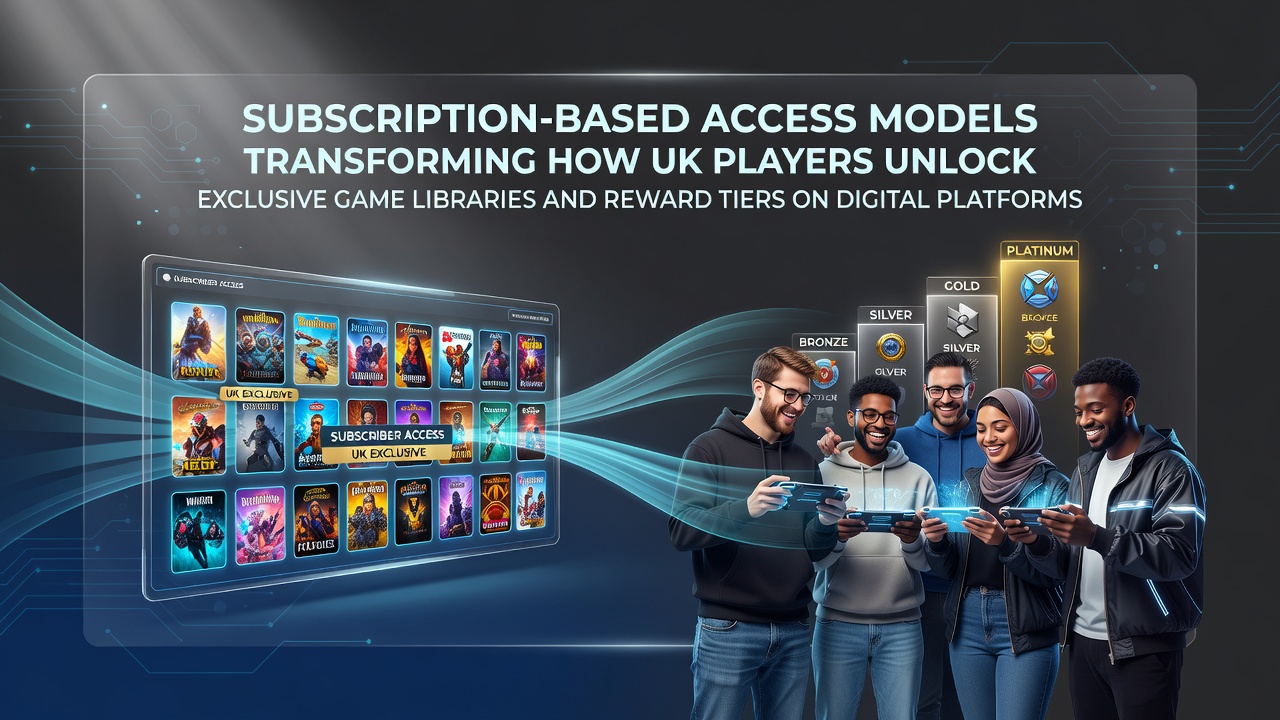
Subscription-based access models have expanded across digital gaming platforms, allowing UK players to unlock extensive game libraries and structured reward tiers without traditional purchase barriers. These systems operate through monthly or annual fees that grant varying levels of entry to curated collections, with higher tiers delivering additional perks such as early access to new titles and enhanced customization options.
Platforms including Xbox Game Pass and PlayStation Plus have implemented these structures since their initial rollouts, yet recent adjustments in 2026 reflect broader industry shifts toward tiered rewards. Data from industry reports indicates that core library access at entry levels covers thousands of titles, while premium subscriptions add priority releases and bonus content packs.
Mechanics of Tiered Access and Library Expansion
Entry-level subscriptions provide base library access covering catalog titles across multiple genres, whereas mid and top tiers incorporate rotating exclusives alongside reward systems that accumulate points for in-game items or profile upgrades. UK players navigate these options through platform accounts, with billing handled directly via digital storefronts that track usage metrics and unlock progress automatically.
What's interesting here is how reward tiers integrate progression mechanics that mirror elements from free-to-play models, yet remain gated behind consistent subscription payments. Observers note that this setup encourages longer-term engagement because accumulated rewards scale with subscription duration and activity levels, creating layered incentives within the same ecosystem.
Figures from the Entertainment Software Association reveal that subscription services accounted for a growing share of digital revenue streams by mid-2026, driven in part by expanded library sizes that now exceed 400 titles on several major platforms. And the integration of cross-platform play has further amplified access for UK users who maintain accounts across devices.
Regional Trends and Platform Adaptations in June 2026
By June 2026, adjustments to subscription offerings reflected responses to player feedback on reward visibility and library curation. Platforms introduced clearer breakdowns of tier benefits, including detailed lists of unlockable rewards that range from cosmetic items to functional game modifiers available only at higher payment levels.
Researchers at academic institutions studying digital entertainment markets have documented how these models reduce upfront costs for accessing premium content, allowing broader participation among demographics that previously favored one-time purchases. UK-specific usage patterns show higher adoption rates for family-sharing features embedded in top-tier subscriptions, which extend library access to multiple household accounts under a single payment structure.
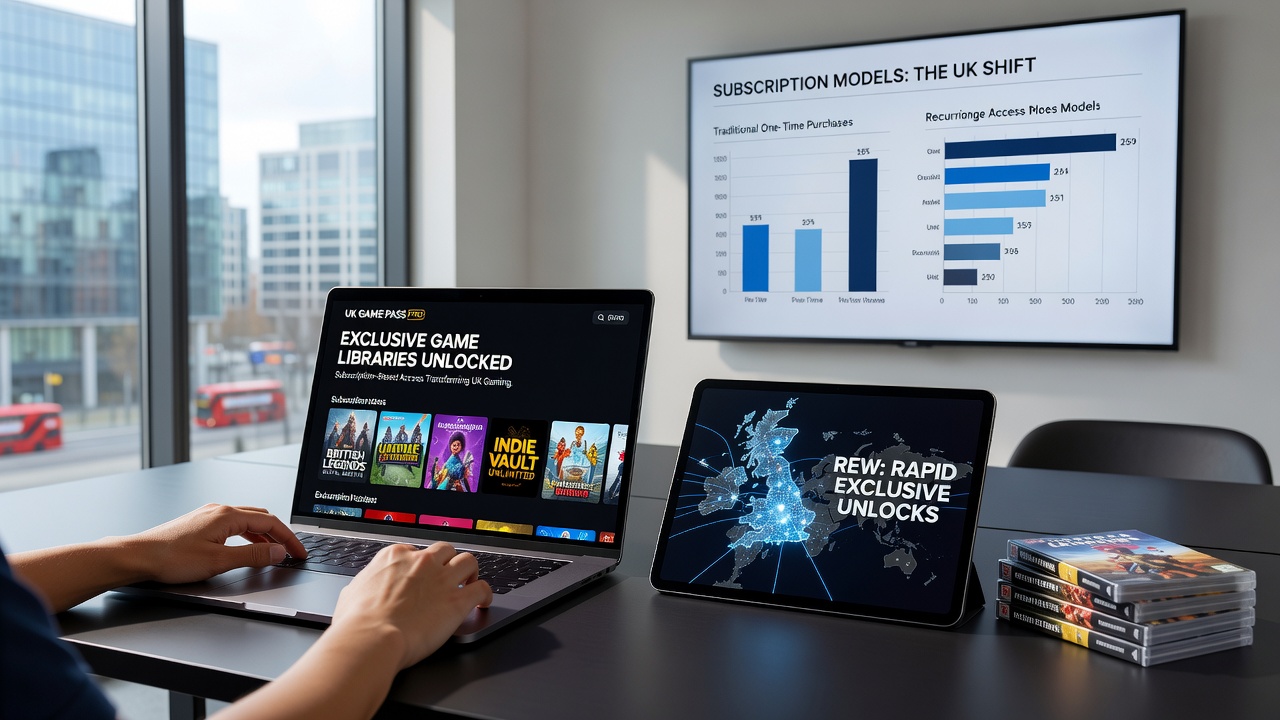
Turns out that exclusive libraries often rotate on predictable schedules, with announcements tied to seasonal events that coincide with major game launches. This rhythm helps players plan their engagement around upcoming additions while maintaining awareness of which rewards expire or carry over between billing cycles.
Comparative Structures Across Major Services
Multiple services differentiate themselves through unique reward mechanics layered atop core library access. One platform emphasizes community challenges that convert into tier-specific bonuses, while another focuses on integration with hardware upgrades that unlock additional content streams. Those who've studied these variations point out that the common thread remains the subscription gatekeeping that controls depth of library exploration and reward accumulation speed.
Industry organizations such as the Australian Interactive Games Association have published analyses showing parallel developments in subscription models outside the UK, where similar tier systems support localized content libraries tailored to regional preferences. These comparisons highlight how UK platforms adapt global frameworks to comply with local consumer protection standards around recurring billing and content transparency.
Yet the core transformation lies in how players shift from ownership mindsets to access-oriented habits, with data indicating sustained retention when reward tiers deliver consistent value additions beyond basic library entry. External reports from university-led studies on digital consumption further confirm that transparent communication of tier benefits correlates with reduced subscription cancellations across tested markets.
Future Trajectory and Integration Points
Looking ahead from June 2026, integration between subscription services and emerging cloud streaming technologies continues to expand library reach without requiring high-end local hardware. Reward tiers increasingly bundle access to beta testing opportunities and developer forums, adding social dimensions to what began as simple content unlocks.
According to research from the Interactive Games and Entertainment Association, these bundled features contribute to diversified player pathways that accommodate both casual and dedicated users within unified subscription frameworks. The result positions UK players to select access levels based on desired depth of engagement rather than isolated title purchases.
Conclusion
Subscription-based models continue evolving the relationship between UK players and digital game libraries through structured reward tiers that scale with commitment levels. Evidence from multiple industry and academic sources shows these systems expand content availability while introducing new progression mechanics tied directly to ongoing access fees. As platforms refine their offerings in response to usage data, the emphasis remains on clear tier differentiation that supports varied player preferences across the UK market.