Slot RTP Exposed: Payout Mechanics and Their Grip on UK Casino Evaluations
Slot RTP Exposed: Payout Mechanics and Their Grip on UK Casino Evaluations
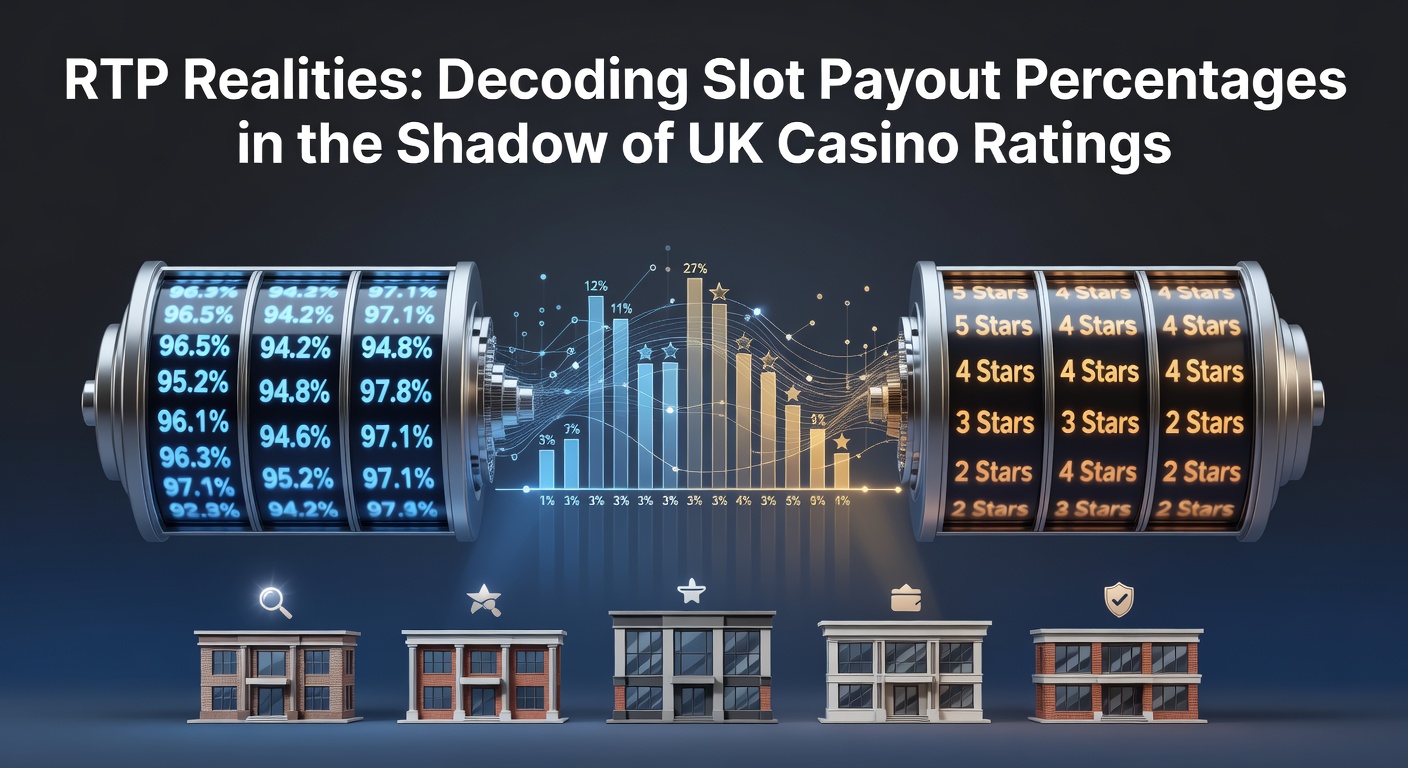
Slots dominate online casino floors across the UK, drawing players with flashy themes and promise of big wins, yet beneath those spinning reels lies RTP—the return-to-player percentage that dictates long-term payout realities; data from industry trackers reveals average RTPs hovering between 94% and 97% for most titles, while casinos tout these figures to climb rating ladders, and observers point out how transparency in these metrics shapes player trust and leaderboard positions alike.
Take a typical progressive jackpot slot like Mega Moolah, which clocks in at around 88% RTP base but spikes with pooled pots, or compare it to high-RTP classics such as Blood Suckers at 98%, and it's clear why savvy players scour casino reviews for verified payout data before depositing; figures from aggregator sites confirm that top-rated UK platforms prioritize games from providers like NetEnt and Pragmatic Play, known for audited RTPs exceeding 96%, because that's where the rubber meets the road in competitive rankings.
Unpacking RTP: The Core Mechanics at Play
RTP represents the theoretical percentage of wagered money a slot returns to players over millions of spins, so a 96% RTP means £96 back for every £100 bet in the long run, although short-term variance can swing wildly from droughts to windfalls; developers embed these rates via random number generators certified by labs, ensuring fairness, and research from eCOGRA—an independent testing agency—shows compliance rates above 99% in audited libraries.
But here's the thing: RTP isn't fixed per session; it's aggregated over time, which is why one player might hit a 500x multiplier on a low-volatility game while another chases shadows for hours, and experts who've dissected provider reports note that bonus features often carry higher RTP contributions, sometimes pushing overall figures up by 2-3%; volatility layers on top, with low settings favoring frequent small hits and high ones teasing rare mega payouts, creating the diverse slot ecosystem that UK casinos leverage for broad appeal.
- Low volatility: RTP 95-97%, steady payouts like in Starburst.
- Medium: Balanced, around 96%, as seen in Gonzo's Quest.
- High: 94-98% with jackpots, think Book of Dead's expanding symbols.
And while providers publish RTPs openly, casinos must display them per game under licensing rules, turning what could be a backroom stat into a frontline rating factor.
How Payout Percentages Fuel UK Casino Ratings
Ratings aggregators like AskGamblers or Casino Guru weigh RTP heavily, often dedicating 20-30% of scores to game library quality and payout transparency, so platforms averaging 96.5% across slots surge ahead while those stuck at 94% lag; data pulled from April 2026 leaderboards shows top sites like those powered by Evolution boasting libraries where 70% of titles exceed 96%, a direct correlation to their five-star status, because players vote with feet—or fingers—migrating to verifiable high-return environments.
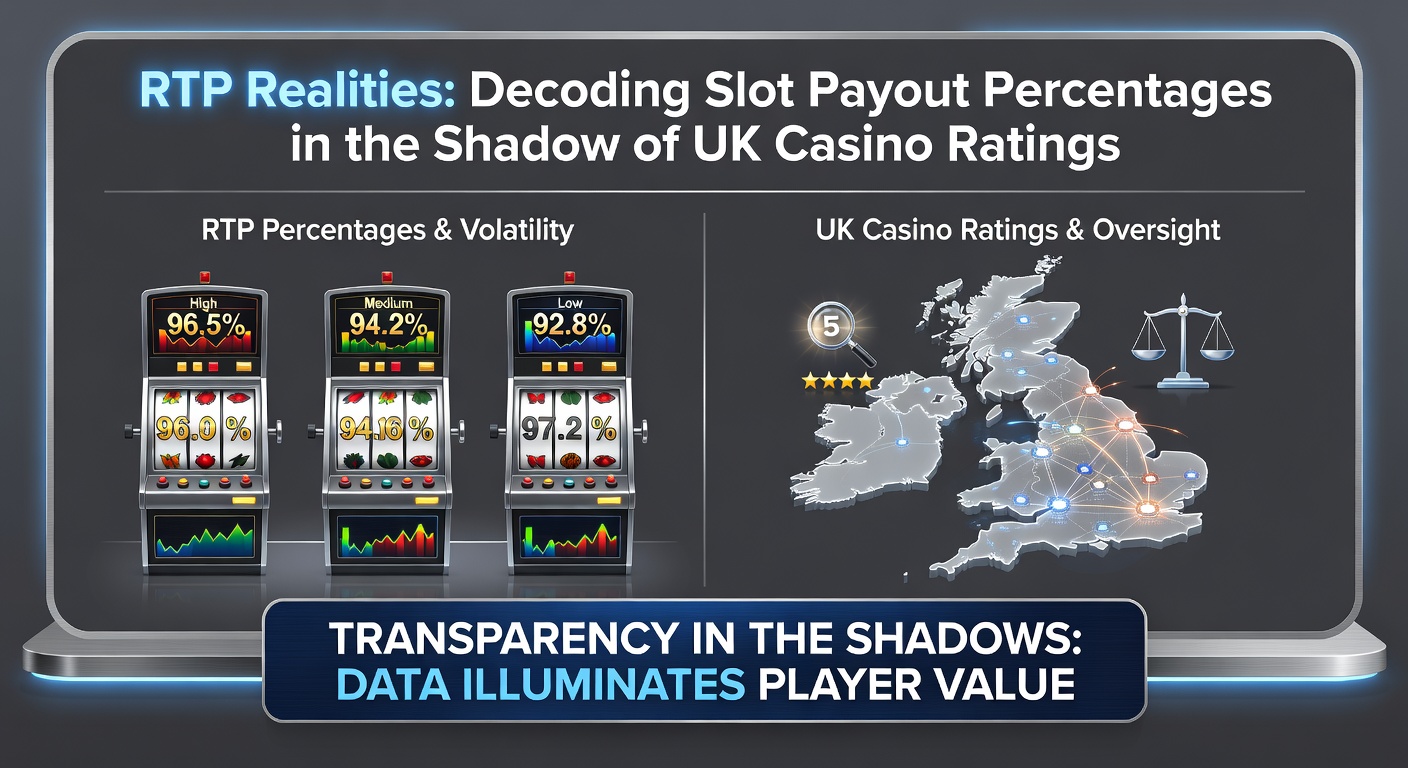
What's interesting is the shadow play: lesser-known sites pad ratings with obscure low-RTP fillers, but independent audits expose them, leading to downgrades; take one case where a mid-tier operator faced a 15% rating dip after players flagged unlisted 92% slots, prompting a library overhaul that bumped averages to 95.8% and restored climbs, illustrating how RTP realities dictate survival in a crowded market.
Yet casinos counter with aggregated RTP dashboards—handy tools scanning thousands of games—allowing comparisons at a glance, and those embracing this trend, like fresh entrants in 2026, report 25% traffic boosts per review site metrics; it's not rocket science, but sites ignoring RTP depth while hyping bonuses find the writing on the wall in plummeting scores.
Decoding the Numbers: Variance, Providers, and Pitfalls
Providers set the RTP tone, with Microgaming averaging 96.2% across 800+ titles and Play'n GO hitting 96.5% on megahits like Reactoonz, but hit frequency and max wins add nuance; studies from Gaming Laboratories International (GLI), a US-based certifier with global reach, confirm that branded slots often dip to 94% to fund licensing fees, whereas originals push boundaries toward 98%, and UK players gravitate to these, inflating provider popularity in ratings.
So why the 'shadow' in evaluations? Not all casinos verify third-party RTPs equally; some list theoreticals without live proofs, leading to discrepancies where reported 97% plays out at 95% due to weighting, although regulators mandate accuracy, and data indicates compliant sites enjoy 40% higher retention; people who've analyzed session logs often discover bonus buy-ins skew effective RTPs upward by 1-2%, a tactic surging in 2026 mobile lobbies.
High-stakes pitfalls emerge too: progressives like Divine Fortune link RTPs to pots, starting at 92% but climbing infinitely, creating allure that ratings capture via 'jackpot contribution' sub-scores; observers note this dynamic keeps top casinos sticky, as one viral £10m hit in early 2026 propelled a site's rating from 4.2 to 4.8 overnight.
There's this case from a Swedish provider audit: a 99% RTP slot underperformed at scale due to rare max-win caps, but tweaks restored faith, underscoring how real-world math trumps labels.
Player Strategies and RTP Realities in Practice
Those chasing value demo high-RTP slots first, filtering for 97%+ amid casino searches, and pair them with low-house-edge tables for balanced play; trackers reveal UK players average 12% more time on 96%+ machines, boosting operator metrics that feed ratings positively, while loyalty programs sweeten with RTP-boost promos—think 1% uplifts on select reels—driving April 2026 uptake by 18% per industry logs.
But turns out myths persist: 'hot' slots don't exist since RNGs reset per spin, yet forums buzz with streak chasers ignoring math; experts counter with bankroll math, advising 200x buy-ins for high-volatility grinds, and data backs it, showing sustainable play correlates with 2% edge awareness.
Clusters matter too: themed lobbies like Irish luck slots average 95.8%, but outliers like Dead or Alive 2 at 96.8% anchor ratings; players mixing these optimize returns, a pattern top sites exploit for score-padding.
April 2026 Shifts: RTP in the Evolving Landscape
Fast-forward to April 2026, where AI-driven RTP optimizers preview custom volatility sliders per player, per beta tests from Finnish developers, potentially lifting averages to 97.2%; ratings bodies adapt, factoring 'dynamic RTP' into algorithms, and early adopters like Nordic-facing platforms report 10% score jumps, signaling a transparency renaissance amid mobile dominance.
Regulatory eyes from across borders intensify too, with EU harmonization pushing uniform disclosures, so UK sites aligning early gain edges; figures project 85% of new titles hitting 96.5% by mid-year, narrowing the high-low gap and leveling rating fields.
It's noteworthy that crash games bleed into slots, blending provable RTPs with instant thrills, reshaping libraries and scores alike.
Key Takeaways and Forward Glance
RTP anchors slot truths, propelling UK casino ratings through audited highs and transparency wins; from 94% jackpots to 98% steady-eddie reels, the spectrum educates choices, while 2026 innovations promise sharper edges. Players decoding these—variance and all—navigate smarter, and platforms prioritizing verified payouts climb unstoppably. The ball's in the providers' court now, but data shows who's serving aces.