Mapping the Rise of Interactive Tournaments in British Mobile Casino Platforms
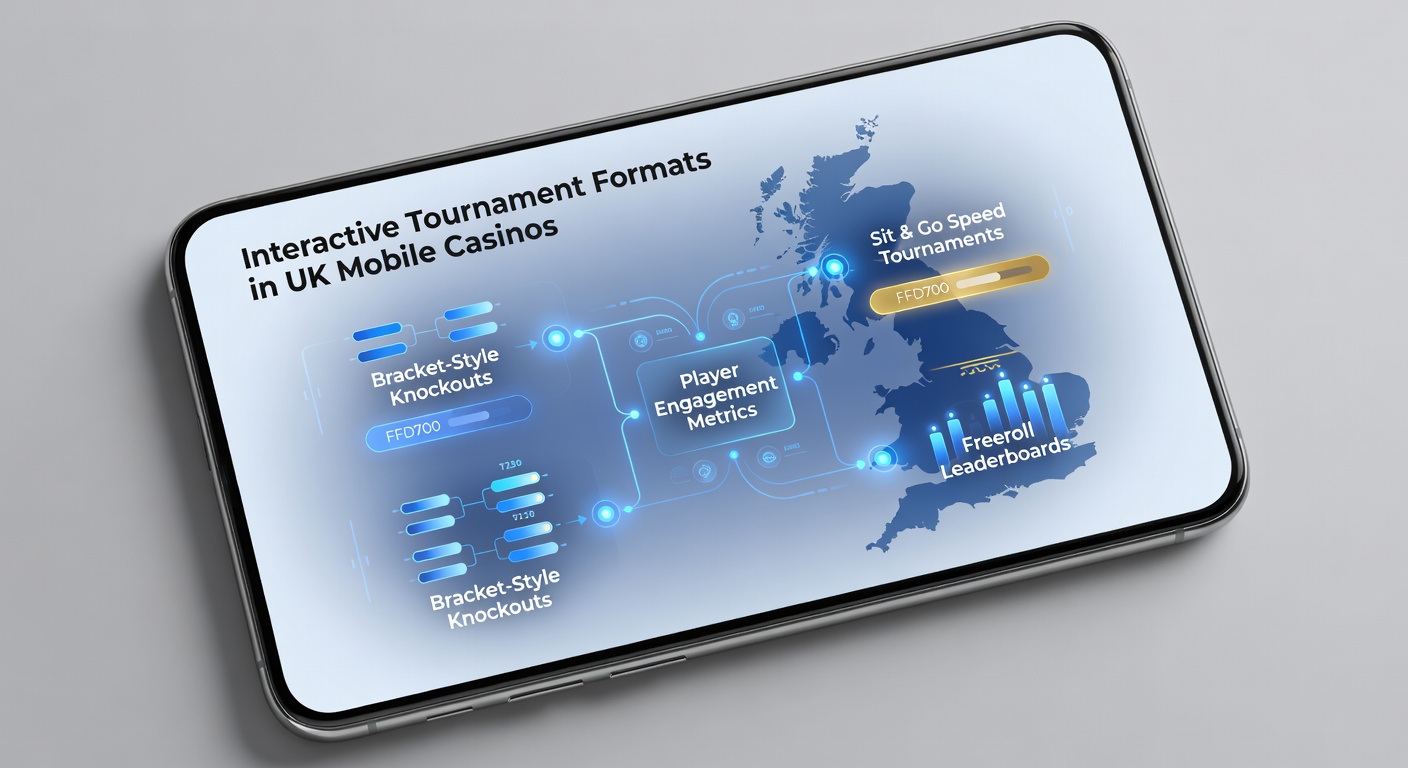
Interactive tournament formats have expanded steadily across mobile casino applications serving users in the United Kingdom, and data from industry trackers shows participation rates climbing each quarter since 2023. These formats blend real-time competition with app-native features such as push notifications, touch-based leaderboards, and synchronized live updates that keep players engaged during commutes or short breaks. Developers integrate these elements into both slot-based and table-game tournaments, creating sessions that last from minutes to several hours depending on the structure chosen by the operator.
Formats range from classic elimination brackets to progressive prize-pool events where every spin or hand contributes to a shared pot. Mobile interfaces allow participants to switch between individual performance tracking and group standings without leaving the app, while integrated chat functions enable brief exchanges among competitors. Observers note that such connectivity has increased average session times, particularly on weekends when concurrent player numbers peak.
Core Tournament Structures Found in Current Applications
Slot tournaments typically operate on a fixed-time or fixed-spin basis, with entrants receiving identical starting credits and competing for the highest multiplier or total winnings by the deadline. Leaderboards update every few seconds, and ties resolve through secondary metrics such as speed of play or number of bonus rounds triggered. Multi-table poker tournaments adapt similarly, yet they add blind-level escalations and seat reassignments handled automatically by the software when players bust out.
Live dealer formats incorporate camera feeds and real-time decision prompts that appear on smaller screens through simplified betting panels. Crash-style tournaments, meanwhile, challenge participants to cash out before an unpredictable multiplier ends the round, with collective rankings determined by the highest cash-out values achieved across multiple attempts. Each format uses the same underlying random-number generators certified for fairness, yet the competitive layer overlays additional scoring rules that reward consistency rather than single large wins.
Technological Adaptations Specific to Mobile Devices
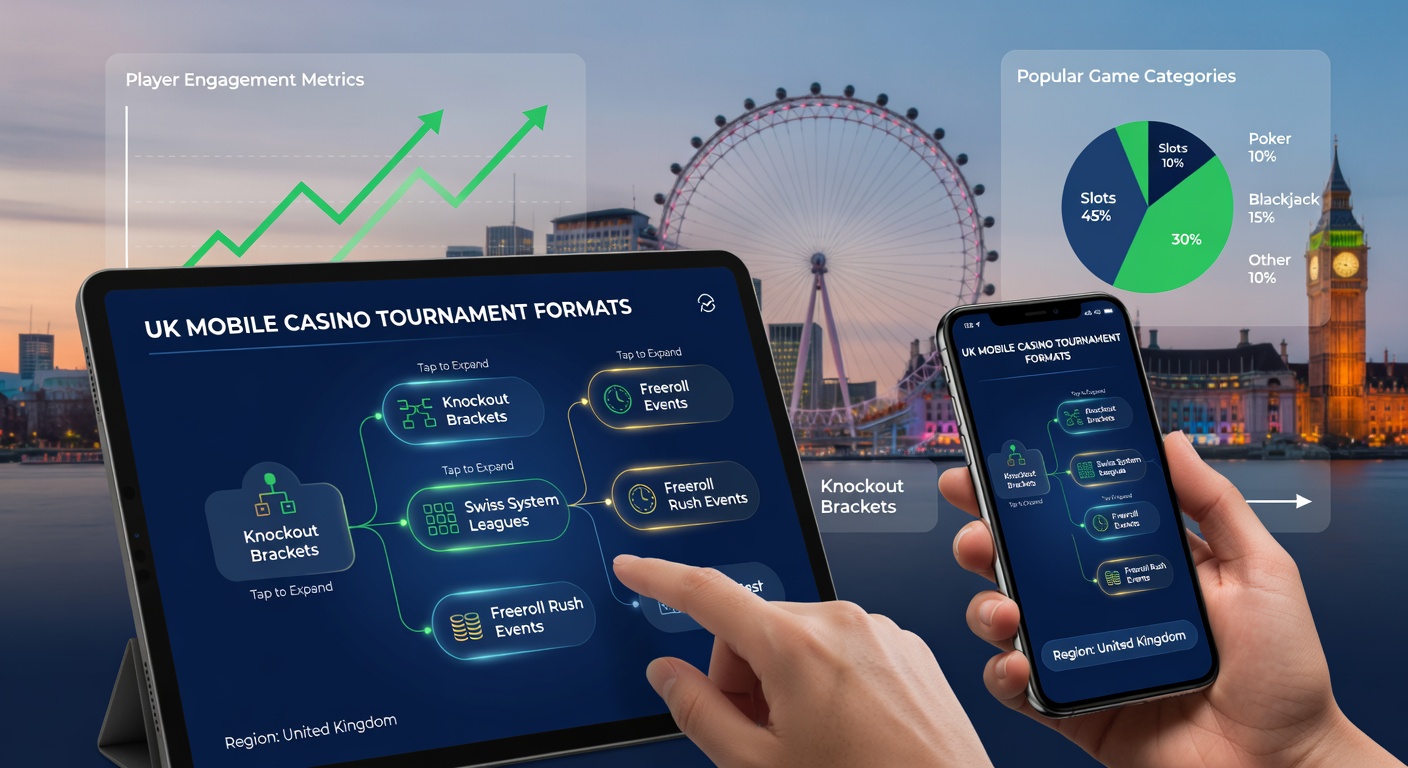
Application developers optimize tournament engines for variable network conditions common on UK cellular networks, employing data-compression techniques that maintain leaderboard accuracy even during brief signal drops. Battery and data-usage monitors appear within settings menus so participants can track consumption during extended events. Gesture controls replace traditional mouse clicks for actions such as folding hands or adjusting bet sizes, reducing the physical steps required compared with desktop versions.
Cross-device synchronization allows a player to begin a tournament on a phone during a lunch break and continue on a tablet at home without losing accumulated points. Push alerts notify users when they climb into prize-paying positions or when new entrants join mid-event, features that research from the University of Sydney indicates raise retention by measurable margins in comparable markets. These technical refinements remain consistent across both established operators and newer entrants targeting British audiences.
Player Participation Patterns and Retention Data
Statistics collected through aggregated app analytics reveal that users aged 25 to 44 represent the largest segment joining interactive tournaments, with sessions often concentrated between 7 p.m. and 11 p.m. on weekdays. Prize structures frequently combine cash awards with free-spin packages or loyalty points that carry over into regular play, creating secondary incentives beyond the immediate competition. Repeat participation rates rise when operators schedule overlapping tournaments, allowing players to enter multiple events simultaneously on the same device.
Case examples include a mid-sized operator that introduced daily micro-tournaments lasting thirty minutes each; within six months the feature accounted for a documented increase in daily active users. Another platform experimented with team-based formats where friends formed squads and shared collective scores, resulting in higher social sharing of results on external messaging apps. Such patterns align with broader findings reported by the European Gaming and Betting Association on how competitive elements influence engagement across regulated markets.
Developments Anticipated by May 2026
By May 2026 several providers plan to roll out augmented-reality overlays that project virtual tournament tables onto a user's physical surroundings through the phone camera. Early testing indicates these additions require only modest increases in processing power and remain compatible with existing operating-system guidelines. Regulatory bodies in multiple jurisdictions continue to review these innovations for compliance with responsible-gambling standards, including mandatory session-time reminders that appear regardless of tournament progress.
Integration with wearable devices is also under consideration, allowing wrist-based notifications for critical leaderboard movements without requiring the phone screen to stay active. Analysts expect these incremental updates to maintain momentum in the United Kingdom while respecting data-protection frameworks already in place.
Conclusion
Interactive tournament formats continue to evolve within mobile casino applications available to United Kingdom users, supported by steady technological refinements and structured prize systems. Current implementations demonstrate measurable effects on session length and repeat visits, while planned features for 2026 focus on immersive interfaces that preserve the same certified fairness standards. Observers tracking these developments report consistent growth across both established and emerging platforms, underscoring the sustained role of competitive play in shaping mobile gambling experiences.