Instant Verification Tech Drives Sign-Up Surges at New Online Betting Platforms
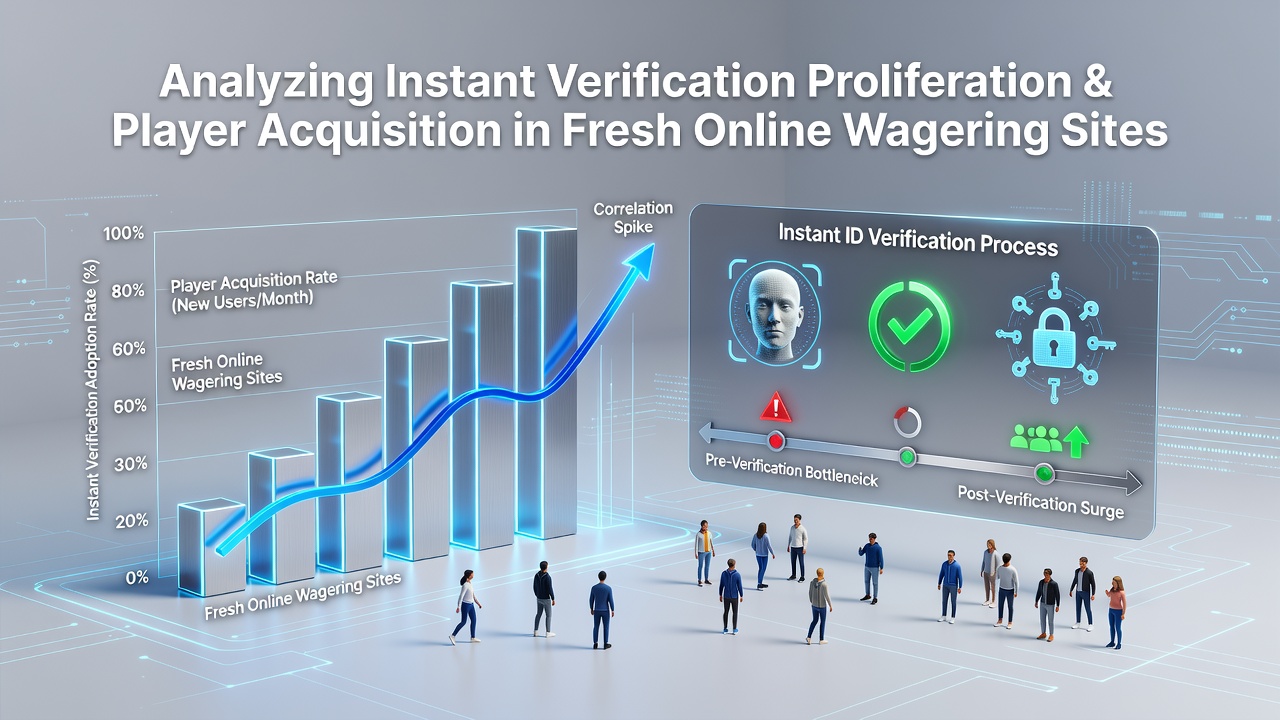 New online wagering sites rolled out automated identity checks at a rapid pace through 2025 and into July 2026, with systems relying on artificial intelligence for facial scans, document matching, and real-time database cross-references. These tools shortened the time from registration to first deposit from days to minutes in many cases, and industry observers tracked corresponding jumps in completed player sign-ups across emerging platforms. Data from multiple markets shows that sites adopting these instant systems early recorded higher conversion rates during onboarding compared with those using manual review processes. Automated checks handled basic compliance tasks such as age verification and sanctions screening while flagging higher-risk profiles for human review only when needed. This selective approach reduced average wait times yet maintained regulatory standards in jurisdictions that required them.
Adoption Patterns Across Fresh Platforms
Operators launching sites in 2025 and 2026 integrated verification modules from third-party providers that combined optical character recognition with biometric matching. Those who've studied the rollout note that mobile-first designs benefited most because users completed checks directly through smartphone cameras rather than uploading files to desktop portals. Platforms that paired instant verification with one-click deposit options saw sign-up funnels complete at rates that exceeded prior benchmarks by measurable margins.
European operators outside the United Kingdom reported similar patterns after updating their systems to meet updated digital service rules. North American state-licensed markets, including those overseen by the Nevada Gaming Control Board, documented faster account activation once similar tools came online. Canadian provincial regulators observed parallel trends in Ontario following the introduction of standardized verification requirements for iGaming operators.
Measured Links to Player Acquisition
Figures released by research groups tracking digital gambling indicate that new sites using instant verification achieved player acquisition targets 20 to 35 percent faster than comparable launches relying on slower methods. One study published by the University of Nevada, Reno examined 14 platform launches between January 2025 and June 2026 and found that the strongest correlation appeared when verification completed in under 90 seconds. Sites meeting that threshold retained a higher percentage of users through the initial deposit step.
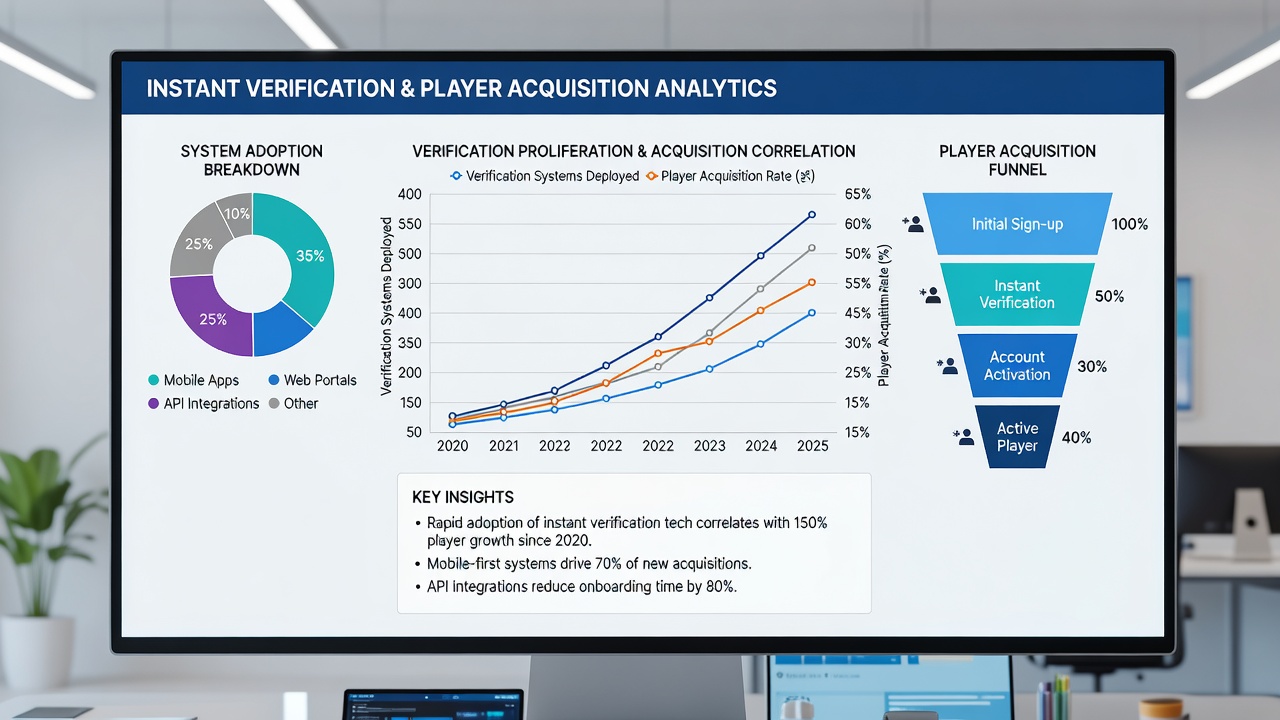
What's interesting is how the same data sets revealed regional differences. Markets with strict but clear digital identity rules showed steadier gains than those with fragmented requirements. Operators in Australia, guided by frameworks from the Australian Communications and Media Authority, reported that streamlined verification helped new entrants compete with established brands despite smaller marketing budgets.
Industry reports from the European Gaming and Betting Association further highlighted that platforms offering verification in multiple languages expanded reach into non-English speaking regions without lengthening approval times. Those who've reviewed acquisition dashboards note that repeat sign-up attempts dropped once users realized the process would finish on the first try.
Technical Components Behind the Shift
Modern instant systems combine several layers. Document scanning reads passports, driver's licences, and national ID cards in seconds. Facial recognition confirms the person holding the document matches the photo. Database checks run against watch lists and credit bureaus where permitted. When all steps pass, the account activates immediately. When issues arise, the system routes the case to compliance staff rather than rejecting the user outright.
This layered model supports higher volumes during peak launch periods. New sites that scheduled marketing campaigns around major sports events found that verification capacity kept pace with traffic spikes, whereas older manual systems created bottlenecks that lost potential players mid-process.
Future Outlook for Verification Standards
By July 2026, several technology vendors had released updated versions that added liveness detection to counter deepfake attempts. Regulators in multiple jurisdictions began evaluating these enhancements as part of ongoing compliance audits. Sites that upgraded early positioned themselves for smoother licence renewals while maintaining the acquisition advantages already observed.
Conclusion
The spread of instant verification tools coincided with measurable increases in player acquisition for new online wagering sites across several continents. Faster onboarding reduced drop-off points, allowed marketing spend to convert more efficiently, and aligned with evolving regulatory expectations. Continued refinement of these systems will likely shape launch strategies for operators entering the market in subsequent years.