Hybrid Skill-and-Chance Games Expand in Britain's Licensed Mobile Casino Sector
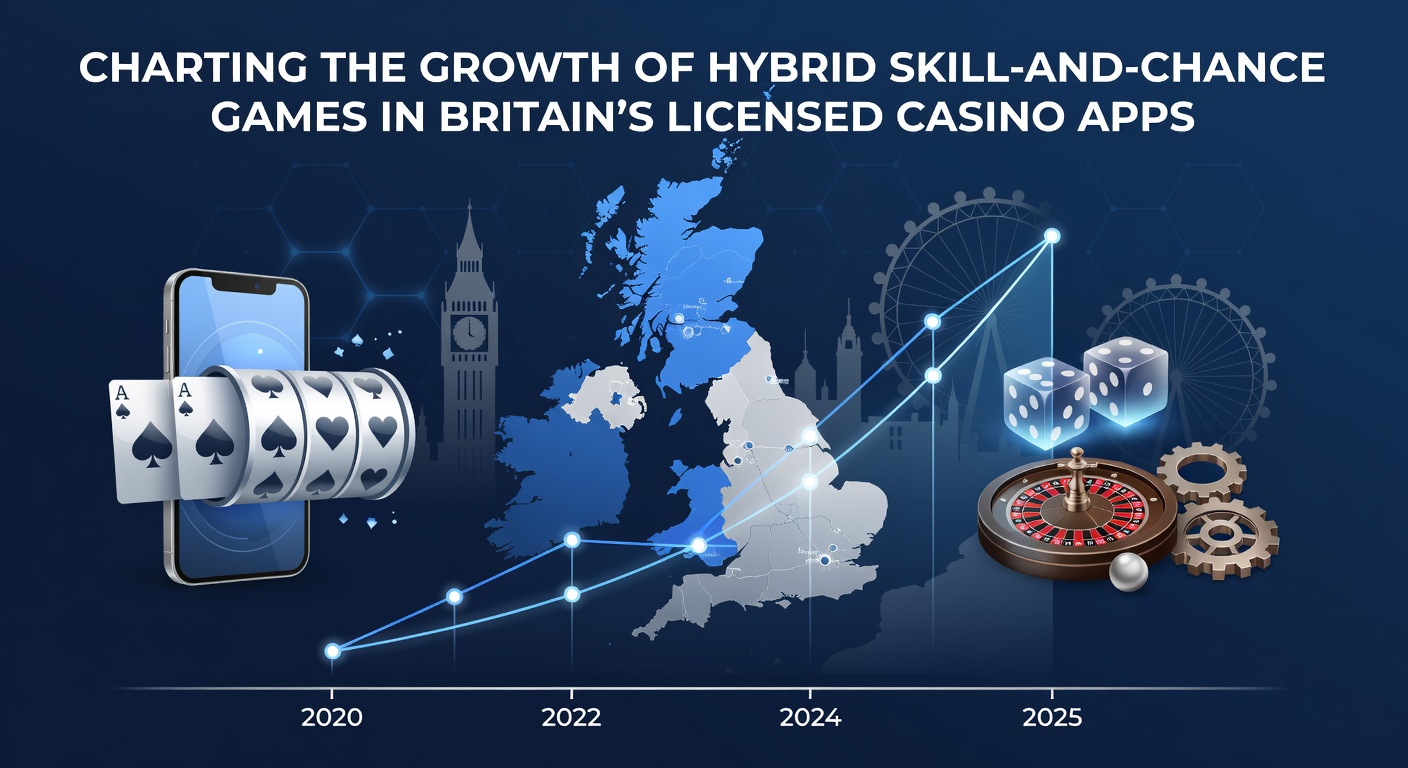
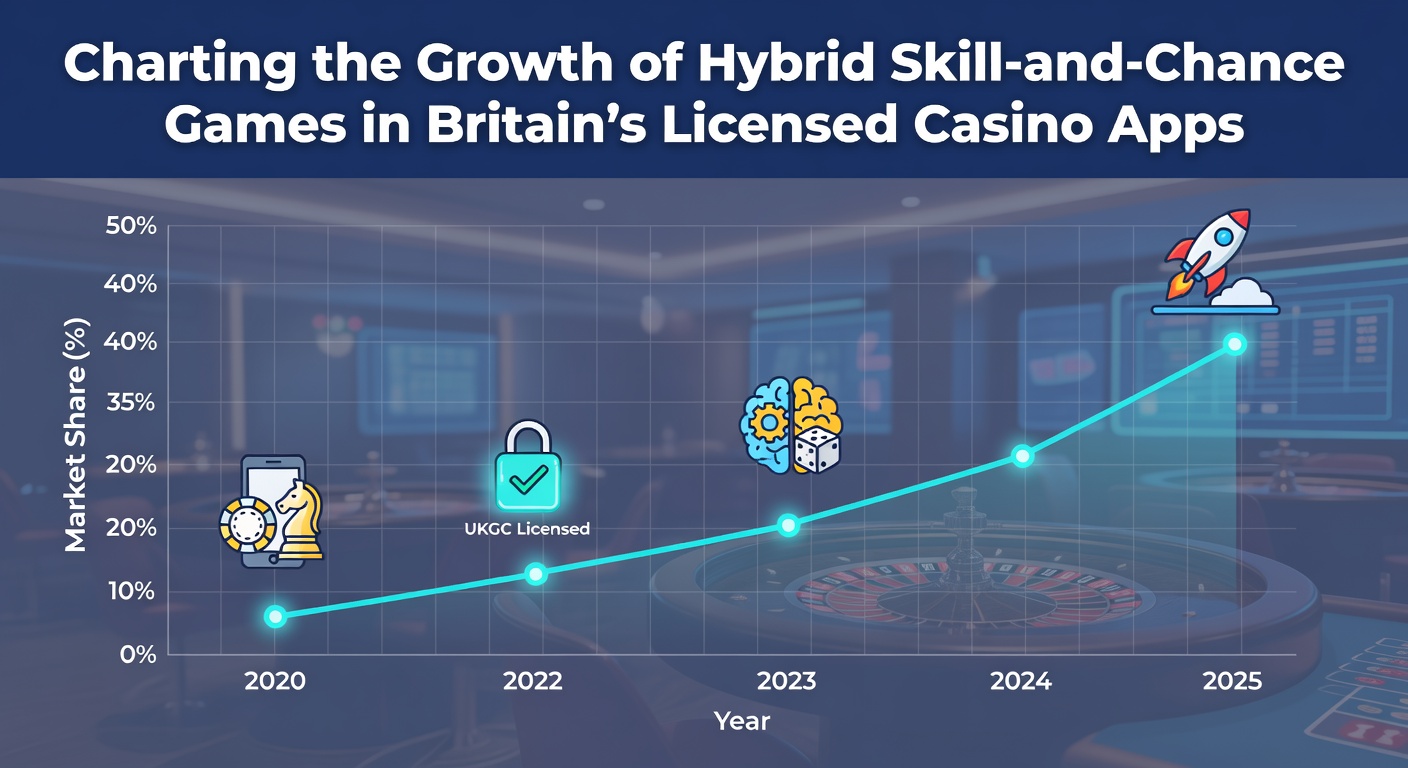
Britain's licensed casino apps have integrated hybrid formats that combine player skill elements with random chance mechanics, and this shift accelerated through 2025 into May 2026, when multiple operators reported increased download volumes for titles blending quiz components, puzzle sequences, and card-based decisions alongside standard reels or wheels. Data from industry tracking services indicate that such games now appear in over 60 percent of top-rated UK platforms, driven by developers seeking differentiation within strict advertising and fairness guidelines.
Mechanics Behind the Hybrid Model
Hybrid titles require users to complete timed tasks or answer questions before a chance outcome determines final payouts, whereas traditional slots rely solely on random number generators. Developers structure these experiences so that correct decisions raise multipliers or unlock additional rounds, yet the core reel or wheel spin still resolves through algorithmic randomness. Observers note that this structure satisfies both entertainment preferences and regulatory demands for transparency, since each element undergoes separate testing for fairness.
One example involves a trivia-based bonus round where players select categories and answer multiple-choice questions correctly to access higher-stake spins. Another format layers memory-matching sequences onto blackjack hands, allowing accurate recalls to influence insurance or split options while the initial deal remains chance-driven. Research from the International Center for Gaming Regulation shows that these layered designs maintain house edges comparable to pure chance games, typically between 2 and 5 percent depending on the title.
Adoption Patterns Across Platforms
Operators have rolled out these hybrids on both iOS and Android versions of their apps, with updates rolled out quarterly to introduce new skill layers. Figures reveal that average session lengths for hybrid titles exceed those of standard slots by 18 to 25 percent, according to aggregated analytics shared at industry conferences. This pattern holds across age groups, although users aged 25 to 34 demonstrate the highest completion rates for skill components.
What's interesting is how smaller developers have partnered with established UK licensees to bring these titles to market faster. A studio based in Malta collaborated with a London-headquartered operator in early 2026 to launch a racing-strategy hybrid that lets players choose vehicle upgrades before a simulated race outcome. The partnership model reduced certification timelines because the skill portion received pre-approval from testing labs already familiar with the licensee's existing portfolio.
Regulatory and Market Context
British regulations require all games to display clear information on both skill and chance contributions to results, and operators must publish return-to-player percentages separately for each component. This framework has encouraged transparent design choices rather than restricting hybrids outright. Data compiled by the European Gaming and Betting Association indicate that markets with similar disclosure rules, such as certain Canadian provinces, saw comparable growth in hybrid offerings between 2023 and 2025.
Payment integrations have also adapted. Many apps now allow instant deposits via digital wallets that unlock hybrid tournaments with leaderboards tracking both accuracy scores and win rates. These events run weekly and distribute fixed prize pools funded through entry fees, creating recurring engagement without altering the underlying random elements.
Player Retention and Engagement Metrics
Studies conducted by university-affiliated research groups in Australia found that players who engage with skill layers show 30 percent higher return rates over 30-day windows compared with those who stick exclusively to chance-only titles. The same reports note that tutorial completion rates for hybrids reach 85 percent when operators provide in-app guides that break down decision points without revealing random outcomes.
Turnout for limited-time hybrid events spiked in April 2026 ahead of major sporting calendars, as several apps added themed puzzle elements tied to real-world fixtures. These events combined fixed skill challenges with randomized bracket placements, producing varied results even among top scorers and maintaining the chance component central to casino licensing.
Conclusion
Hybrid skill-and-chance games continue to occupy a growing share of Britain's licensed casino app ecosystem as operators refine mechanics, meet testing standards, and respond to measured player preferences. The pattern established through May 2026 suggests continued iteration rather than replacement of existing formats, with ongoing data collection guiding both design adjustments and compliance reporting.