Gamification Evolves Player Retention Approaches in Fresh Online Betting Platforms
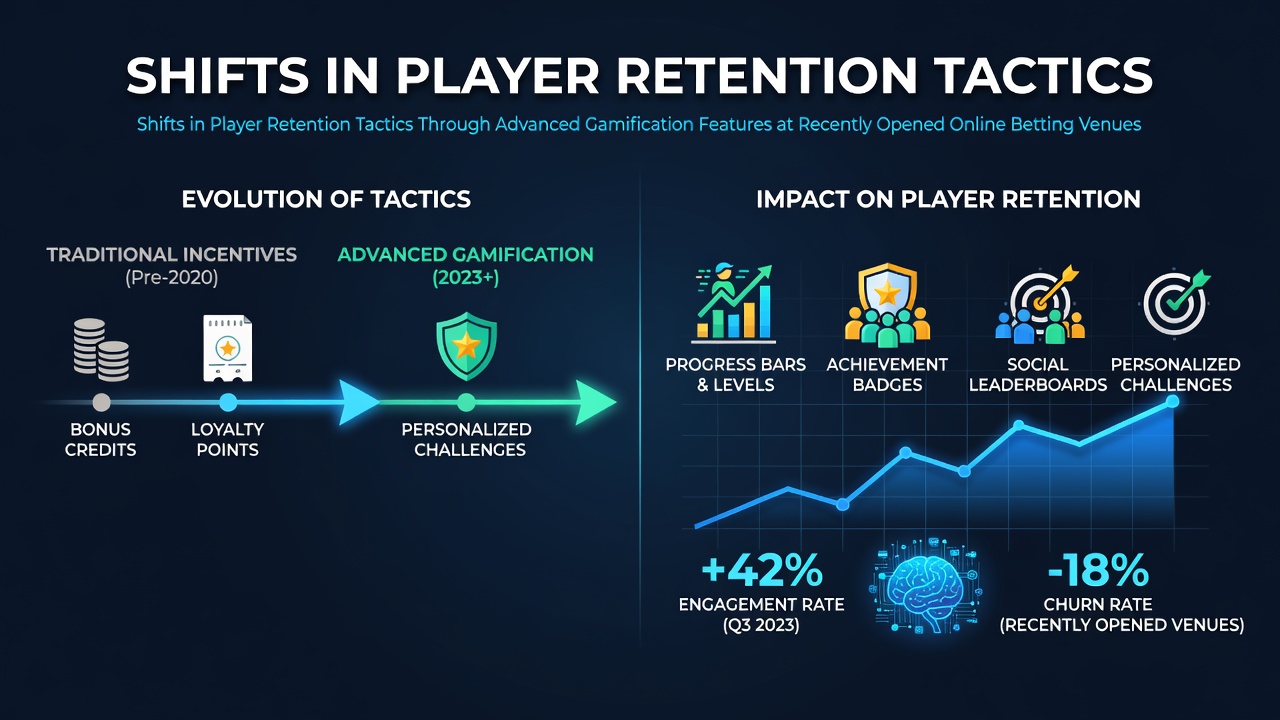
New online betting venues that opened in recent years have shifted retention strategies toward layered gamification systems, and these changes build on data patterns observed across multiple markets since 2024. Operators integrate progress trackers, tiered challenges, and dynamic reward structures that adjust based on individual play histories, while longer sessions result from these mechanics according to aggregated industry reports.
Core Mechanics Behind the Shift
Advanced features now include adaptive leaderboards that reset weekly, personalized quest lines tied to specific game categories, and virtual economies where players exchange earned points for customized bonuses. Research from the University of Nevada's International Gaming Institute shows these elements increase return visits by aligning with behavioral loops documented in digital entertainment studies, and venues launched after 2025 deploy them at scale from day one rather than as add-ons.
Operators track metrics such as daily active users and completion rates for challenges, then refine algorithms that surface relevant tasks to each account. Data indicates completion of multi-stage challenges correlates with higher retention over 30-day windows, whereas simpler bonus models from earlier periods showed quicker drop-off in similar cohorts.
Implementation Patterns at New Venues
Venues opening throughout 2025 and into July 2026 often launch with integrated apps that combine live event tie-ins and seasonal campaigns, and these campaigns use gamified milestones to guide players through new game releases. For instance, one platform introduced a city-building simulation where betting activity contributes to virtual infrastructure upgrades that unlock group rewards, and this approach draws from mechanics tested in broader mobile gaming sectors.
Another set of sites incorporates social elements like team-based competitions where participants pool contributions toward shared goals, and results appear in real time on dashboards. Figures from the Canadian Gaming Association reveal that platforms using collaborative features report elevated session lengths compared with those relying solely on individual progression systems.

Measurement and Adjustment Processes
Teams at these newer sites monitor heatmaps of feature usage and adjust difficulty curves based on aggregate completion data, and this iterative process occurs more rapidly than in established operations because fresh codebases allow quicker updates. Observers note that A/B testing of reward timing happens within days of launch, whereas older systems required weeks for comparable iterations.
External benchmarks from the Australian Gambling Research Centre highlight how retention curves flatten less steeply when gamification includes variable reward schedules, and new venues apply these schedules across both sports and casino-style products to maintain momentum across different player segments.
Regional Variations in Deployment
European operators emphasize narrative-driven challenges that unfold over months, whereas North American sites focus on shorter daily streaks that reset frequently. Both approaches rely on the same underlying data infrastructure but prioritize different engagement windows, and July 2026 openings in multiple jurisdictions incorporate hybrid versions that blend these preferences.
Technical integrations with third-party game providers allow seamless point transfers between titles, and this connectivity reduces friction that previously limited cross-game participation. Retention metrics improve when players move fluidly between categories without losing accumulated progress, according to platform telemetry shared in industry forums.
Conclusion
Shifts toward advanced gamification continue at recently opened betting venues as operators refine tools that respond to real-time behavior and extend player engagement cycles. These developments rest on measurable patterns rather than isolated experiments, and ongoing adjustments reflect broader adoption of systems first validated in adjacent digital sectors. Data from multiple regulatory and academic sources supports the observation that structured progression and reward layers now form core components of retention planning across new market entrants.