Biometric Verification Transforms Access in Mobile Gaming Applications

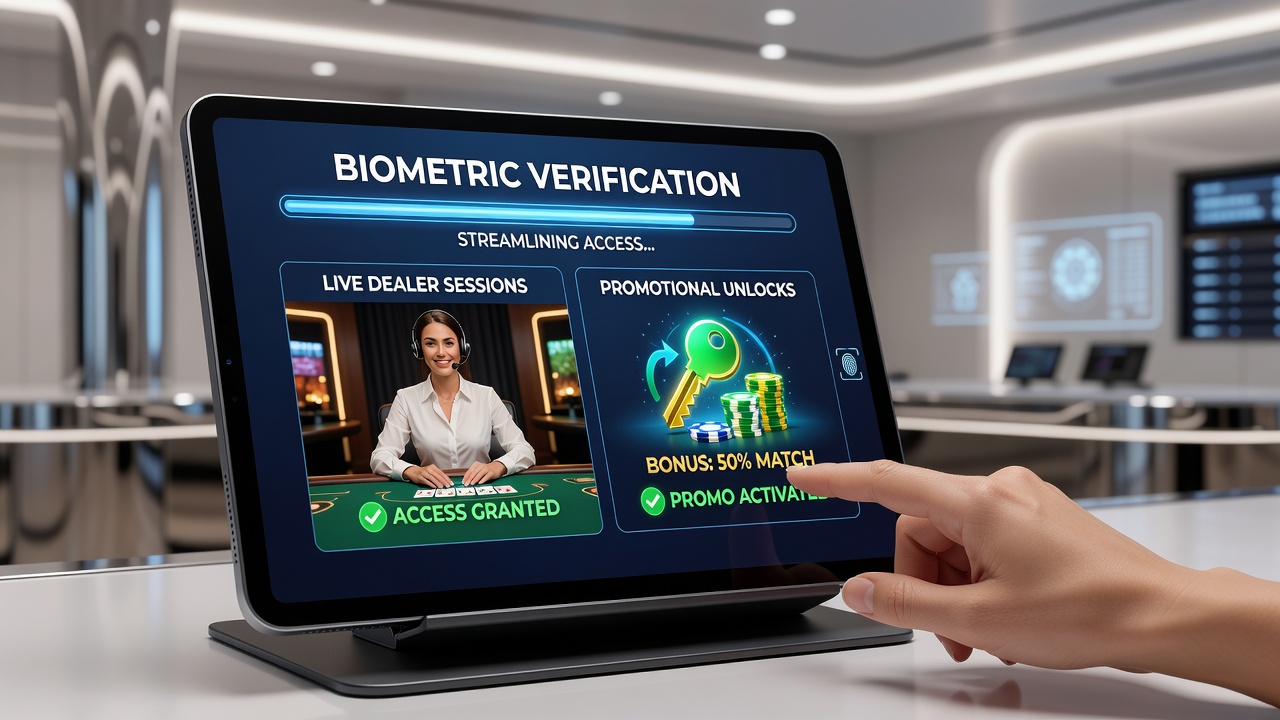
Biometric verification systems now integrate directly into portable gaming apps to handle quick entry for live dealer sessions while managing promotional feature releases through facial recognition and fingerprint scans. These tools replace traditional passwords in many platforms and connect user identity checks with session starts or bonus activations without additional steps. Data from industry reports shows adoption rising steadily through mid-2026 as developers refine sensor accuracy on standard smartphones.
Live dealer environments benefit when players move from app launch to table connection in seconds. Systems read biometric data at the point of entry then route verified users straight into ongoing games. This process reduces delays that once occurred during manual logins or two-factor code entries. Observers note that platforms using these methods report higher session completion rates compared to earlier password-only setups.
Core Mechanisms Behind the Technology
Portable devices capture biometric markers through built-in cameras and touch sensors then match them against stored templates on secure servers. When a match occurs the app grants immediate access to dealer streams and unlocks any associated promotions such as free spin bundles or deposit matches. The entire sequence completes in under two seconds according to testing data released by hardware manufacturers in early 2026. Multiple authentication layers combine fingerprint with facial analysis in some applications to maintain security during high-value promotional redemptions.
Integration with Live Dealer Platforms
Live dealer providers supply APIs that accept biometric signals as valid entry credentials. Once a player authenticates the system assigns a temporary session token tied to that verified identity. This token persists through the duration of a game allowing seamless transitions between tables or game types. Research from academic groups studying digital entertainment interfaces indicates that such tokens lower abandonment rates at the start of live sessions because players avoid repeated verification prompts.
Promotional unlocks follow the same pathway. When an app detects an eligible user through biometrics it automatically applies active offers without requiring separate claim actions. Figures from platform analytics in July 2026 revealed that biometric-triggered promotions achieved redemption rates 18 percent higher than those needing manual activation codes.
Security and Compliance Considerations
Regulatory frameworks in various regions require encrypted storage of biometric templates with regular audits to prevent unauthorized access. Developers encrypt data both at rest and in transit while limiting template retention periods to match local privacy statutes. A report published by the European Gaming and Betting Association outlines how these standards support cross-border app operations without compromising player data integrity. Compliance teams conduct periodic reviews that verify system performance under peak loads typical of major promotional events.
Additional safeguards include fallback options for users whose devices lack functional sensors or who prefer alternative verification. These backups route through secure one-time links sent to registered contact methods while still preserving the speed advantage for the majority of biometric users. Industry organizations track complaint volumes related to access issues and note consistent declines after biometric rollout phases complete.
Performance Metrics Across Platforms
Analytics dashboards display average time from app open to live table connection dropping from 45 seconds to under 10 seconds in deployments completed by July 2026. Similar improvements appear in promotional claim processes where biometric confirmation replaces form submissions. Studies conducted by research institutions focusing on human-computer interaction record user satisfaction scores climbing when friction points decrease through these automated checks. The same studies highlight that retention curves flatten less sharply during the first week of app use when biometric features handle routine verifications.
Hardware variations across device models require ongoing calibration updates from app developers. Sensor quality on newer smartphones supports higher accuracy rates while older models rely on software enhancements to maintain consistent performance. Data shared at trade conferences shows calibration patches issued monthly to accommodate new handset releases and operating system updates.
Future Developments in Portable Gaming
Emerging standards propose combining biometric signals with behavioral patterns such as typical playing times or preferred game selections. These hybrid systems aim to further streamline access while adding context-aware security layers. Pilot programs running in select markets during summer 2026 test whether multi-factor biometric approaches can support larger promotional unlocks without increasing false rejection rates. Results from these trials will inform broader implementation schedules planned for later in the year.
Conclusion
Biometric verification continues to reshape entry points for live dealer content and promotional features within portable gaming applications. The technology links identity confirmation directly to session starts and reward deliveries creating measurable gains in speed and completion rates. Ongoing refinements in encryption and device compatibility support wider deployment while meeting regulatory requirements across regions. As more platforms adopt these methods the operational patterns established in 2026 provide a baseline for subsequent updates in mobile gaming infrastructure.