Advanced Algorithms Reshaping Game Suggestions and Player Loyalty Across UK Digital Platforms
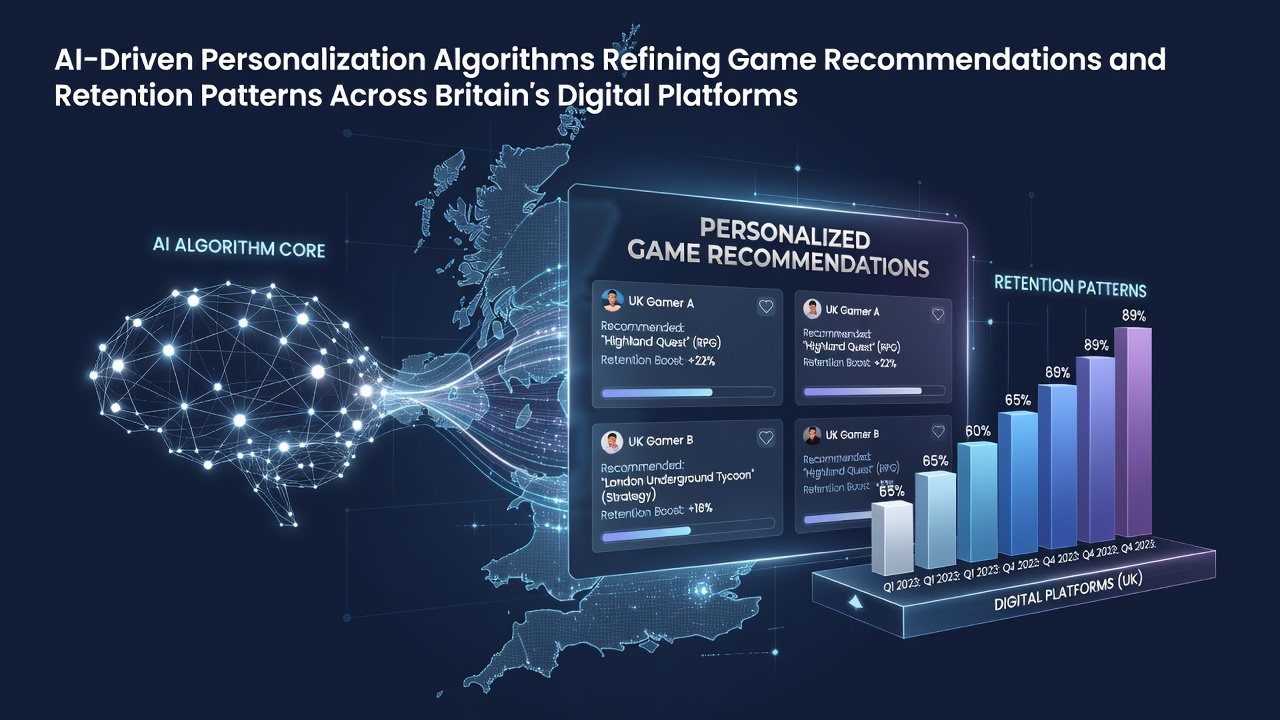
Britain's digital gaming platforms rely increasingly on sophisticated machine learning systems that process extensive user interaction data to deliver tailored game suggestions and those same systems track retention metrics with growing precision. Developers and platform operators collect behavioral signals ranging from session duration to in-game choices and feed them into models that adjust recommendations in real time. Researchers at institutions across Europe and North America have documented how these approaches alter discovery patterns while sustaining longer user engagement periods on services popular in the UK market.
Data Processing Behind Personalized Suggestions
Platforms aggregate anonymized inputs such as play history, device type, and social connections then apply collaborative filtering alongside neural network techniques to surface titles that align with individual preferences. A 2025 report from University of Toronto analysts examined datasets from major European storefronts and found that refined models increased the likelihood of users trying new genres by 28 percent compared with earlier rule-based systems. Observers note that British users encounter fewer generic lists because algorithms now weigh contextual factors including time of day and recent search behavior when generating results.
What's interesting is the speed at which updates occur; adjustments often happen within minutes of a completed session rather than after days of batch processing. Companies operating in the UK integrate these pipelines with cloud infrastructure that scales during peak evening hours when activity spikes. That integration allows smaller studios to reach audiences who might otherwise remain unaware of their releases.
Retention Metrics and Algorithmic Adjustments
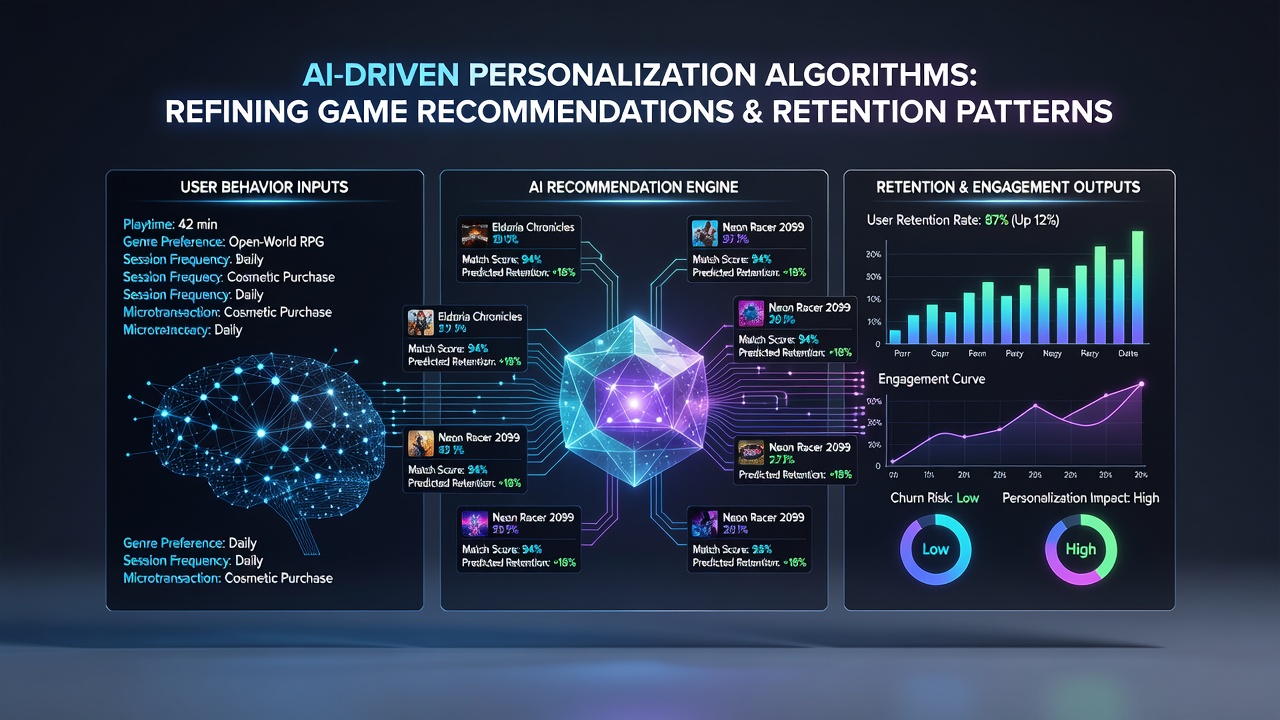
Retention patterns shift when recommendation engines prioritize titles that match demonstrated skill levels or preferred play styles. Data from platform telemetry shows players who receive three or more algorithmically matched suggestions within their first week demonstrate higher return rates over subsequent months. Studies conducted by teams at Australian National University tracked similar cohorts and reported that dynamic difficulty suggestions embedded in recommendations correlated with extended play streaks across mobile and console ecosystems.
But here's the thing: platforms must balance aggressive personalization against variety to avoid narrowing user exposure too sharply. Engineers implement diversity constraints within the models so that occasional outliers appear alongside highly probable matches. Figures released in June 2026 by a consortium of Nordic and UK gaming associations indicated that services applying such balanced approaches recorded average session lengths 19 percent longer than those relying solely on similarity scores.
Regional Implementation Patterns in Britain
Operators serving British audiences combine local regulatory considerations with technical personalization layers to maintain compliance while optimizing engagement. Payment and age-verification signals feed into broader datasets that influence which games surface for different demographic segments. European Commission funded projects have explored privacy-preserving techniques that allow models to learn without storing identifiable information, and several UK-based services adopted variants of these methods during 2025 rollouts.
Take one mid-sized platform that integrated reinforcement learning loops: the system tested micro-variations in suggestion order and retained only those changes that produced measurable lifts in seven-day retention. Results compiled by independent auditors showed consistent gains across both free-to-play and premium titles without requiring manual curation teams to expand. People who've examined these deployments note that smaller developers benefit when algorithms surface their games to precisely matched player clusters rather than relying on broad marketing pushes.
Future Trajectories and Cross-Platform Effects
Integration with emerging hardware such as cloud-streaming devices expands the data points available for refinement. Algorithms now factor network latency and display capabilities into recommendations so users receive titles optimized for their specific setup. Reports from Canadian digital media research centers highlight parallel developments where multi-platform accounts enable seamless continuity between mobile sessions started in Britain and console play completed elsewhere.
Yet continued progress depends on access to high-quality training data while respecting user controls over information sharing. Platforms that surface transparent toggles for recommendation preferences tend to maintain higher trust levels according to surveys conducted by independent European research bodies. Those controls allow individuals to reset or broaden their suggestion profiles without losing core functionality.
Conclusion
AI-driven personalization continues to evolve game discovery and retention dynamics on Britain's digital platforms through iterative model improvements and careful integration of regional data practices. Evidence from multiple international studies demonstrates measurable impacts on user behavior while highlighting the importance of balanced approaches that preserve variety. As infrastructure advances and privacy techniques mature, these systems are likely to further align recommendations with individual patterns across an expanding range of devices and services.